Soil health and testing
Assess soil condition, structure and nutrient levels to make informed decisions.
A practical three-day online course to help you understand the principles of natural farming — from soil health and water management to biodiversity, crop planning and natural methods of plant care.
Enrol in the 3-Day CourseExplore what you will learn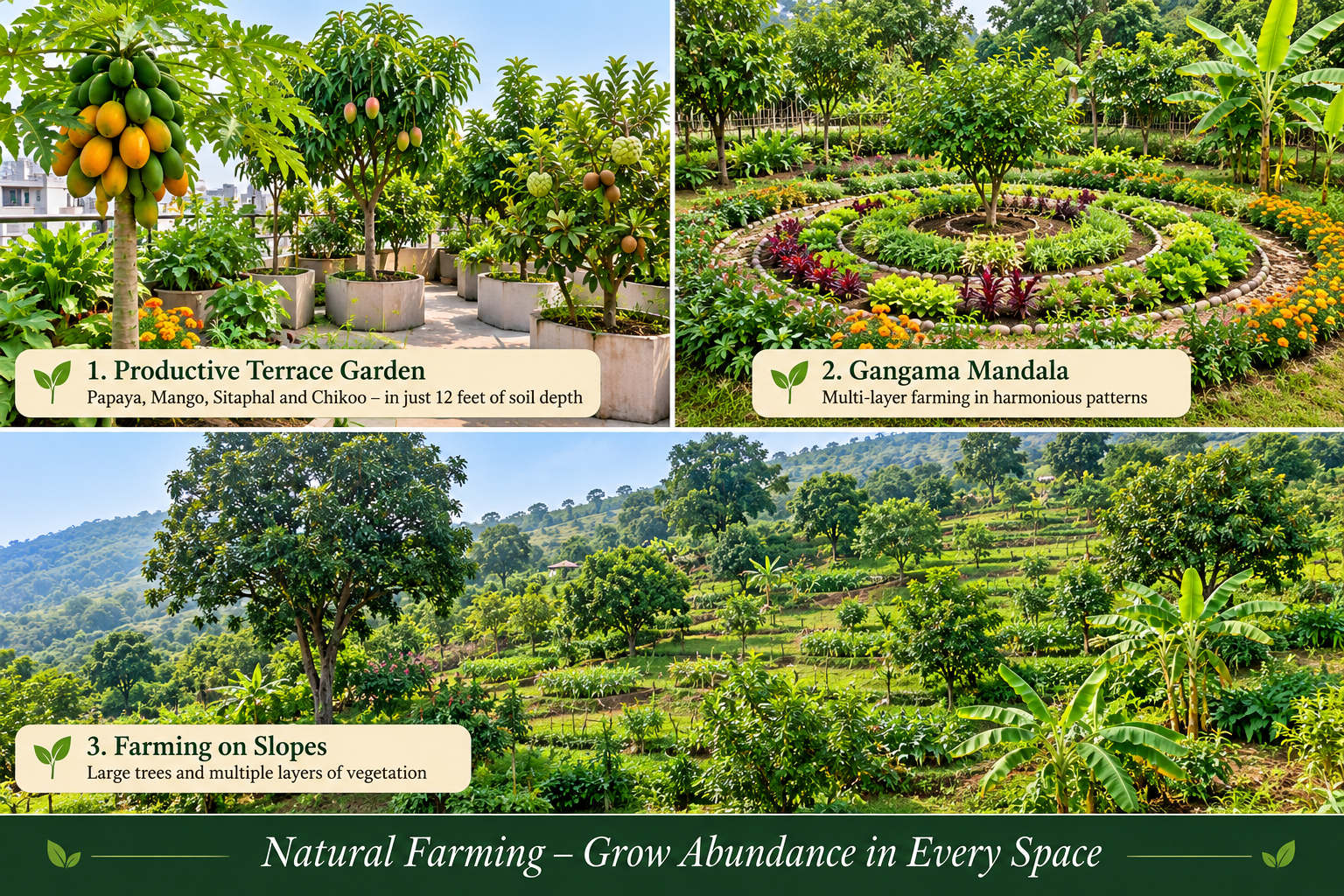
25 years of agricultural experience — nearly three decades of learning, practice and experimentation.
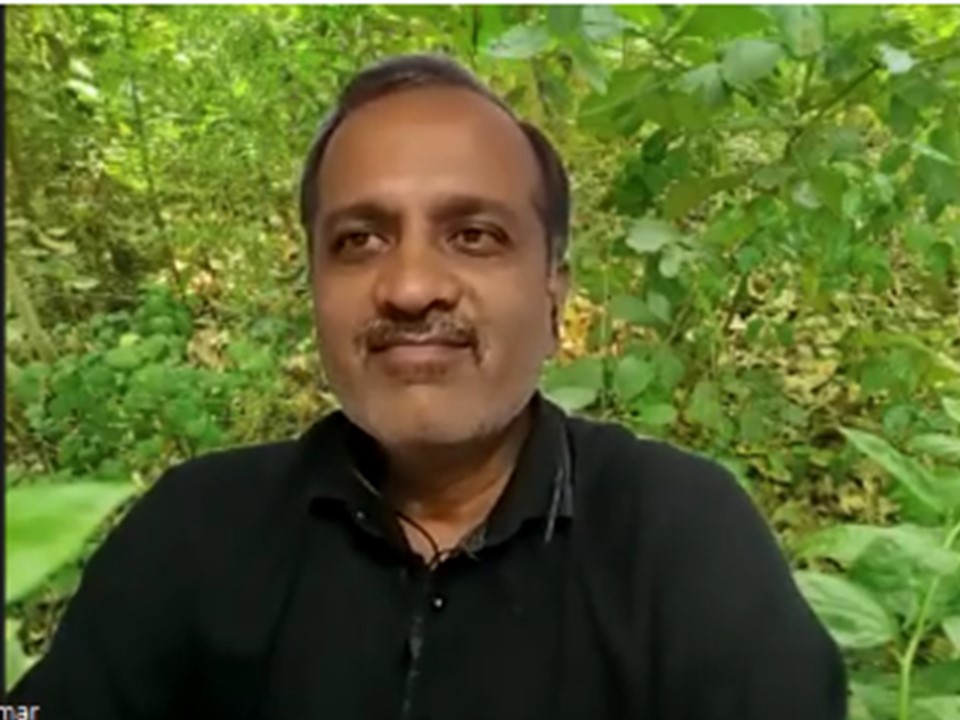
Hiteshbhai began his journey in conventional chemical farming, where his work earned several awards. After reaching a high level in that field, he began questioning the approach and exploring ways to farm in greater harmony with nature. Guidance and inspiration from his gurus, Deepak Suchde Baba, Ashok Shah and Hirjibhai Bhingaradiya, played an important role in his journey into natural farming and its many branches.
His field experience includes working with saline land in Kutch, stony terrain, desert sand, slopes, terraces and cultivation beneath solar panels — conditions where growing crops can be especially challenging. He has mentored more than 15,000 farmers and contributed to agroforestry and Miyawaki initiatives involving over 9 lakh trees.
His approach brings together ancient and traditional agricultural knowledge, modern agronomy, contemporary techniques and practical tips from the field.
The course combines modern and ancient techniques with practical tips. It explores how soil, water, sunlight, plants and biodiversity work together — and how these principles can be adapted to different growing spaces.
Assess soil condition, structure and nutrient levels to make informed decisions.
Understand soil carbon, essential nutrients and their role in plant growth.
Explore soil cover, moisture retention and ways to support living soil.
Understand exposure, orientation and environmental factors that influence growth.
Explore sustainable irrigation, water efficiency and conservation practices.
Learn how thoughtful pruning can guide plant structure and growth.
Explore intercropping, crop rotation and multi-level growing systems.
Understand beneficial plant relationships and ways to support soil fertility.
Encourage a diverse ecosystem and understand its role in farm resilience.
Explore natural approaches to observing, preventing and managing pests.
Use limited spaces thoughtfully through vertical growing and practical water techniques.
Bring traditional agricultural wisdom together with modern techniques and field-tested tips.
Understand the reasoning and natural processes behind the practices, not just the steps.
Plan growing spaces around sunlight availability, exposure and plant requirements.
Explore suitable alternatives and artificial lighting options for spaces that receive little or no direct sunlight.
Learn practical approaches to conserving water and managing it efficiently across the growing space.
Understand the carbon cycle and practices that support carbon-rich, living soil.
Observe wind direction and movement and consider their effects on plant health and garden planning.
Plan the layout, plant placement and use of available resources to create a balanced growing system.
Understand when and how to prune for plant structure, airflow, light and healthy growth.
Adapt natural farming principles to homes, balconies, terraces and other limited spaces.
Explore crop sequencing, companion relationships and compatible combinations for diverse cultivation.
Integrate terrace growing principles with composting and the responsible reuse of organic matter.
Explore ways to prepare and use plant nutrition from locally available natural materials.
Learn about plant-produced sugars and their role in plant health and the wider soil ecosystem.
Understand how growing systems can make effective use of available solar energy.
Explore traditional perspectives on the relationship between the land, plants and their wider environment.
See how food growing, daily habits, resource use and ecological responsibility are connected.
Explore advanced and integrated natural farming methods, and how to adapt them to different farms, gardens and growing conditions.
Bring the learning together to plan a productive, diverse and resource-conscious growing space.
We do not claim these are new ideas, or that they are the only way. They are practices and perspectives that have proved useful in our own work on the land — shared in the hope that they are useful to you too.
Understand why a practice works, not only how to do it — looking at the soil, the plant and the plant’s own food to understand what is really happening.
Understand how sunlight is captured and used within a growing system, and how to make better use of the energy already available.
Explore plant nutrition prepared at home from naturally available materials, working with what is freely available instead of bringing more from outside.
Explore the role of sugars produced by plants and how plant health connects with the living soil ecosystem.
Explore traditional perspectives on the relationship between the earth, plants and their wider natural environment.
Understand how the way we live, eat, rest and think is connected with the way we grow food and care for the land.
We try to explain why something works, not only that it works — looking at the soil, the plant and the plant’s own food to understand what is really happening.
Solar harvesting and homemade nutrition prepared at home rather than bought in — working with what is freely available instead of bringing more from outside.
Cosmic earthing and connecting farming with lifestyle — because the way we live, eat, rest and think is part of the same system as the soil we grow in.
Explore the relationships between soil, water, sunlight, plants, insects and the surrounding environment.
Discover examples from different terrains and growing conditions, including challenging land and urban spaces.
Build a clearer understanding of how to approach your farm, garden or growing space according to its conditions.
Explore selected field examples shared by Hiteshbhai. These illustrate work in different conditions; outcomes depend on the land, climate, resources and practices used.
An introduction to his work and approach.
A field example shared by Hiteshbhai.
Exploring possibilities on challenging ground.
A project from the Gandhidham region.
A short field example.
Making productive use of an urban terrace.
Growing fruit trees in an urban space.
These videos share participants' experiences of the Natural Farming Course and their learning journey.
Natural Farming Course participant
Natural Farming Course participants
Natural Farming Course participant
Natural Farming Course participant
Natural Farming Course participant
This is a three-day online Natural Farming Course facilitated by Hiteshbhai Thummar.
Farmers, agricultural landowners, people planning a farm or food forest, terrace gardeners and anyone interested in understanding natural farming principles can benefit from the course.
The course explores soil health, carbon, NPK, sunlight, water management, mulching, pruning, crop rotation, companion planting, biodiversity, natural pest management and more.
No. The course shares knowledge, methods and field experiences. Results vary with local conditions, resources and implementation.
The standard course fee is ₹5,000.
Learn with Hiteshbhai Thummar through three days of guided online learning that combines ancient wisdom, modern agronomy and practical field experience.